How to Use Poly Pipe for Efficient Irrigation Systems?
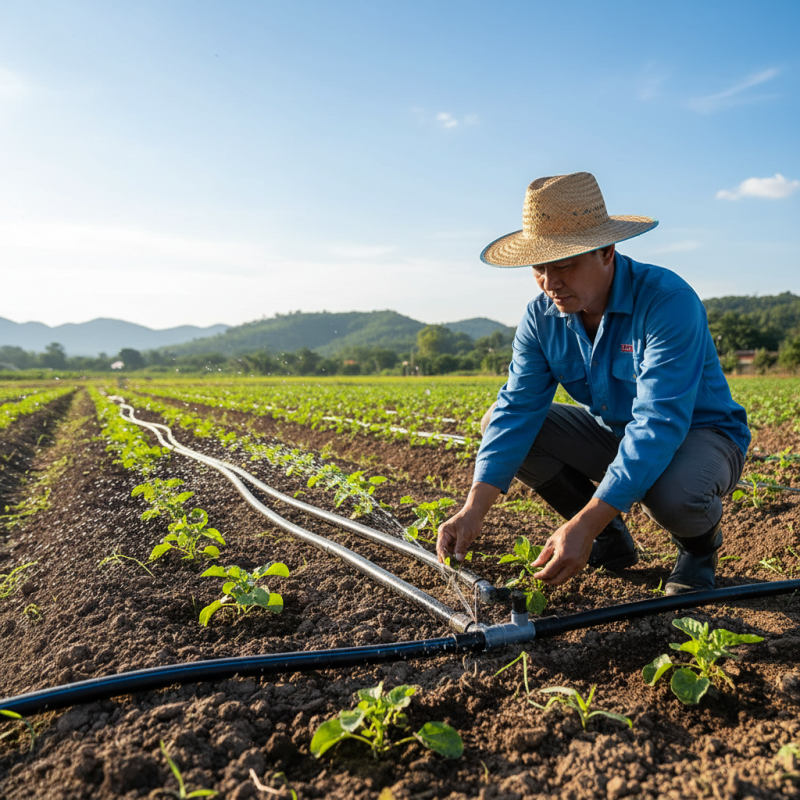
Efficient irrigation systems are crucial for sustainable agriculture. One key component is poly pipe. This flexible material enhances water delivery to crops. Farmers and gardeners rely on poly pipe for its durability and ease of installation.
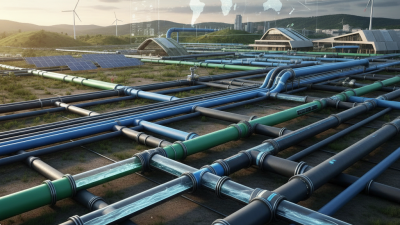
When planning an irrigation setup, consider the layout. The right design can maximize efficiency. However, mistakes can happen, like incorrect sizing. Understanding the specifics of poly pipe is vital. For instance, knowing the correct pressure rating prevents leaks.
Using poly pipe isn’t always straightforward. Some may struggle with connections that don’t hold. Regular maintenance is necessary to avoid clogs. Learning from these challenges is essential for improving future irrigation strategies. Adopting poly pipe can lead to better water conservation and healthier plants.
Understanding Poly Pipe: Characteristics and Benefits for Irrigation Systems
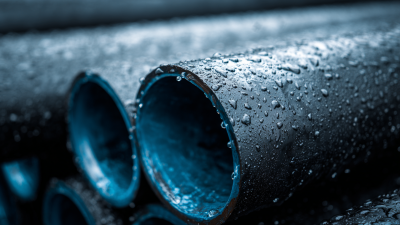
Poly pipe is a versatile choice for irrigation systems. Its lightweight design makes it easy to transport and install. Most poly pipes are made from high-density polyethylene (HDPE), which is resistant to corrosion and chemical degradation. This material ensures the longevity of the irrigation system. According to industry reports, HDPE can last over 50 years when properly maintained.
The flexibility of poly pipe is another major benefit. It bends easily, allowing it to adapt to the contours of the land. This is crucial for diverse terrains, which can make installation challenging. However, improper installation may lead to leakages. In fact, studies show that poor joints can cause water loss of up to 20%. This highlights the importance of careful handling and proper connection techniques.
Efficiency is paramount in irrigation. Research indicates that using poly pipes can reduce water usage by 30% compared to traditional methods. This is particularly important in regions facing water scarcity. Nevertheless, challenges remain. Some farmers find it difficult to gauge optimal pressure levels. Consequently, maintaining the right pressure is vital for system performance.
Selecting the Right Poly Pipe: Size and Pressure Ratings for Efficient Flow
Choosing the right poly pipe is crucial for effective irrigation systems. One of the key factors is the size of the pipe.
Larger diameters can deliver more water flow, but they may also be costly. On the other hand,
smaller pipes may restrict flow. It’s essential to assess your specific garden or farm needs.
Sometimes, it's easy to overlook this detail, leading to inefficient irrigation.
Next, pressure ratings matter as well. Ensure your chosen poly pipe can handle the pressure required for your irrigation setup.
A mismatch can cause leaks or bursts. Always check your water source's pressure before making a selection. Many users forget this aspect, experiencing frustration
when systems fail. The right combination of size and pressure ratings is vital for keeping your plants healthy.
Additionally, consider the length of the runs in your system. Long runs may require larger pipes to maintain adequate pressure.
Short sections might perform well with smaller sizes. However, it’s often tricky to predict actual water distribution. Conducting simple tests can help avoid surprises.
Paying attention to these factors ensures you build a reliable irrigation system that meets your needs.
Installation Techniques: Best Practices for Laying Poly Pipe in Irrigation
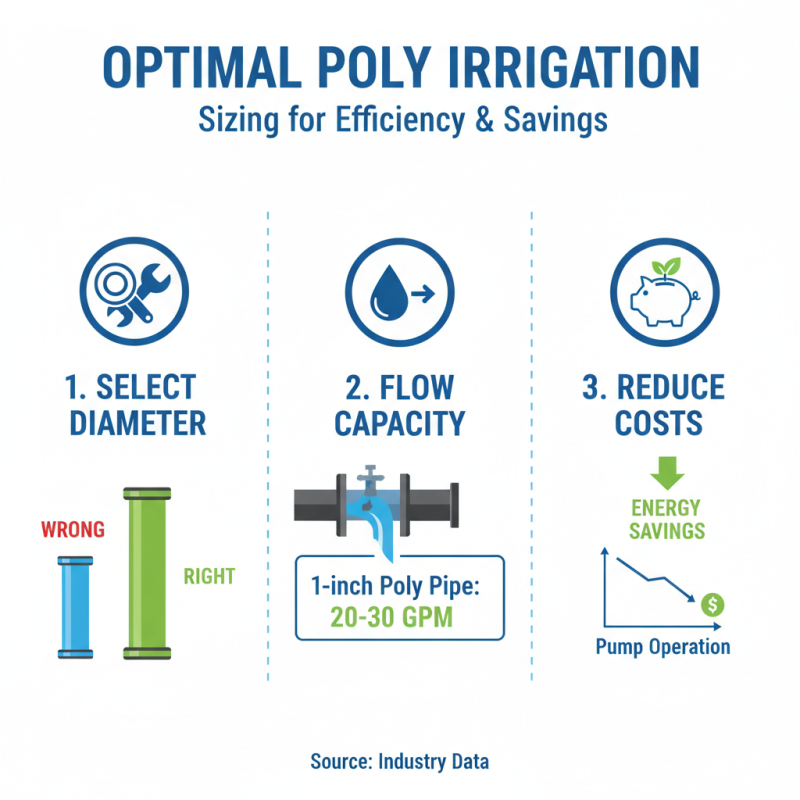
When laying poly pipe for irrigation, proper installation techniques are crucial. Start by selecting the right diameter for your system. According to industry data, a 1-inch diameter poly pipe can efficiently handle flows of approximately 20-30 gallons per minute. This sizing can significantly reduce energy costs in pump operation.
Before installation, prepare the ground. Clear any debris or sharp objects that could puncture the pipe. A smooth trench aids in preventing damage. Experts recommend a trench depth of at least 12 inches to avoid freezing. However, this can vary depending on local climate conditions. Ensure the pipe is laid with a gradual slope. A consistent slope helps in drainage and avoids air pockets. Air pockets can lead to pressure loss and uneven water distribution.
Avoid tight bends in the pipe, as this can restrict flow rates. Utilize elbows or fittings to maintain flow efficiency. This is especially important in commercial agricultural systems, where optimal water delivery correlates with yield. On a practical level, test the system after laying. Monitor for leaks and pressure loss. Continuous assessment ensures the longevity and efficiency of the irrigation setup. While these tips can lead to better irrigation outcomes, each installation may still encounter unique challenges.
Maintenance and Troubleshooting: Ensuring Longevity of Your Irrigation System
Proper maintenance is crucial for an efficient irrigation system using poly pipe. Regular inspection of joints and fittings can prevent leaks, which contribute to water loss. According to industry studies, leaks and improper installation can waste up to 30% of the water used in irrigation. To mitigate this, conduct routine checks at least once every few weeks, especially during peak usage months.
Cleaning your poly pipe can also extend its life. Debris and sediment often accumulate inside the pipes, reducing flow efficiency. In fact, blocked pipes can reduce water efficiency by 20%. Implementing a routine flushing schedule helps maintain optimal flow and reduces strain on the system. Pay attention to signs of wear, such as discoloration or cracks. These can indicate potential failures.
Troubleshooting can be a daunting task. If you notice uneven watering, check for clogs or leaks in the system. Analytics show that 25% of users overlook minor issues, which lead to larger failures. Some installations may require repositioning or changing the layout entirely. Small adjustments can lead to enhanced distribution efficiency, maximizing your irrigation's effectiveness.
Water Usage in Different Irrigation Techniques
This chart illustrates the water usage in liters per hectare for different irrigation techniques, highlighting how poly pipe irrigation offers an efficient alternative with lower water consumption compared to traditional methods.
Comparative Analysis: Poly Pipe vs. Traditional Irrigation Materials and Costs
When comparing poly pipe to traditional irrigation materials, efficiency is a key factor.
Polyethylene pipes are lightweight and flexible. They can be installed quickly, saving time and labor costs. Traditional materials often include metal or concrete, which are heavier and require more resources. However, metal pipes can have longer lifespans if maintained properly. That’s a point to consider.
Cost-effectiveness is crucial in choosing materials. Poly pipes generally have a lower upfront cost. However, their lifespan can be shorter in harsh conditions. Traditional materials might need a higher initial investment but could withstand weather changes better. For some farms, replacing poly pipes frequently can add up over time. This is an area to reflect on when making decisions.
Durability is another aspect. Poly pipes resist rust and corrosion, yet they may be vulnerable to UV damage. Regular inspection is necessary. On the other hand, old metal pipes may corrode and leak, creating unexpected expenses. Understanding the environmental impact of your choice is essential. Balancing immediate costs with long-term benefits can be challenging. It’s vital to assess your specific irrigation needs before making a decision.