Top UPVC Pipe Suppliers for Global Buyers?
Global demand for durable water infrastructure is keeping the upvc pipe market under close attention. Grand View Research reports that the global PVC pipes market was valued at approximately USD 21.5 billion in 2023, with continued growth expected through 2030. Mordor Intelligence also identifies construction, irrigation, and municipal water projects as major demand drivers. These figures explain why global buyers are comparing suppliers beyond price.
A dependable supplier should provide more than attractive product photos. Buyers need verified resin specifications, wall-thickness records, pressure-test results, and batch traceability. ISO 1452, ASTM D1784, and relevant national standards can help confirm suitability for water distribution and drainage applications. Look for factories with extrusion experience, laboratory testing, stable compound formulations, and clear quality-control procedures. Small details matter. A marked pipe, sealed pallet, and dry container can prevent costly disputes after shipment.
Supplier evaluation also requires practical evidence. Request recent inspection reports, production videos, sample measurements, and references from comparable overseas projects. Check whether the manufacturer can maintain consistent outside diameter, socket dimensions, color, and pressure class across repeated orders. Port access and realistic lead times matter too. A low quotation may hide weak packaging or uncertain material quality. That said, no supplier profile is perfect, and even established factories can experience resin variation, shipping delays, or communication gaps. Buyers should leave room for verification, not assumptions. This guide reviews leading upvc pipe suppliers for global buyers, focusing on technical capability, certifications, export experience, product consistency, and long-term purchasing reliability.
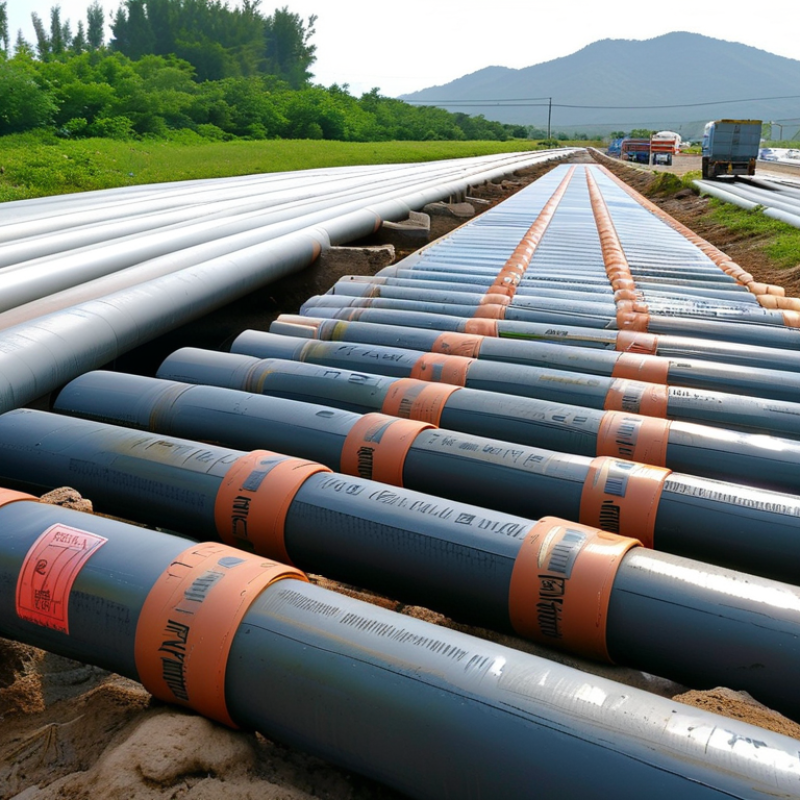
What Are UPVC Pipes and Where Are They Used?
UPVC pipes are rigid plastic pipes made from unplasticized polyvinyl chloride. They contain no added plasticizers, so they remain firm under normal service conditions. Their smooth inner walls help water flow with limited friction. They are also resistant to rust, many chemicals, and biological growth.
That detail matters.
UPVC pipes commonly carry cold drinking water, irrigation water, drainage, and wastewater. In residential buildings, installers use them for supply lines, bathroom drainage, and rainwater systems.
Farms often use larger diameters for greenhouse irrigation and field distribution. Industrial facilities may select them for mild chemical transfer, provided the chemical compatibility is verified.
They are lightweight.
Handling is easier.
In practical installation work, correct joint preparation strongly affects reliability. Cut ends should be square, clean, and free from burrs before solvent cement is applied. Supports must match the pipe size and local installation requirements. Outdoor systems may need protection from prolonged sunlight, temperature changes, or impact.
Not every site suits them. UPVC can become less forgiving in very cold conditions, and unsuitable chemicals may damage the material.
Buyers should request pressure ratings, dimensional standards, test records, and traceable quality documents from suppliers. A low price can hide weak testing or inconsistent wall thickness.
I have seen specifications treated as paperwork, although they often prevent expensive failures later. The honest limitation is simple: UPVC is useful, but it is not universal.
What Makes a UPVC Pipe Supplier Reliable?
A reliable UPVC pipe supplier proves performance before discussing price. They should provide pressure ratings, dimensional tolerances, temperature limits, and test methods in clear technical documents. Ask for recent batch records, not polished claims. Independent laboratory reports add confidence, especially for long-distance projects. The supplier must understand local standards and explain differences without vague compliance language. Short answers can be warning signs.
Practical experience matters at the loading dock and on site. A capable supplier checks socket dimensions, wall thickness, packing, and loading support before dispatch. Pipes should arrive capped, separated, and protected from sunlight or impact. Request a sample section and inspect its surface, markings, and fit with intended fittings. A useful supplier will discuss installation tools, joint preparation, and storage conditions. Details reveal habits.
Reliability also appears after payment. Confirm production capacity, lead times, replacement procedures, and one named contact. Traceable markings should connect each bundle to a production date and inspection record. Communication should remain honest when resin costs, transport delays, or testing problems arise. No supplier is perfect; I would rather see a documented mistake than a flawless promise. Buyers should review certificates independently and record every agreed specification before shipment.
How to Compare Leading UPVC Pipe Suppliers Worldwide?
Top UPVC Pipe Suppliers for Global Buyers
Comparing UPVC pipe suppliers requires more than checking price lists. Start with the intended use, fluid type, operating pressure, and installation environment. A supplier should provide clear data on diameter tolerance, wall thickness, pressure class, and joint performance. Ask for material certificates and independent test reports. Check whether testing follows the standards required in your destination market.
Factory experience matters. Request production photos, batch records, and a recent sample from the same product line. Measure its outer diameter, wall thickness, and socket fit with basic tools. Small differences can create installation problems. An experienced supplier should explain resin quality, stabilizer selection, and quality-control points without avoiding technical questions. Site audits or live video inspections add useful evidence, although they cannot replace laboratory verification.
Compare more than the quoted unit cost. Review mold charges, packaging strength, loading plans, shipping terms, and replacement procedures. A low offer may exclude testing or protective pallets. That is not always clear. Check delivery performance through recent, verifiable customer references. Confirm how complaints are recorded and resolved. A supplier may have excellent pipes but weak export coordination. Another may communicate well but lack stable production capacity. I would score each area separately, then test a small order before committing to a long contract. Mistakes still happen, especially when documents are accepted without checking dates, specifications, and batch numbers.
Which Standards and Certifications Should Global Buyers Check?
Global buyers should verify more than a supplier’s product catalogue. ISO 1452 and EN 1452 define requirements for PVC-U pressure piping systems, including dimensions, pressure classes, and test methods. For American projects, ASTM D1784 and ASTM D1785 are commonly referenced. Check the exact standard edition, not only its number. Standards change.
Potable-water applications require additional evidence. Look for certification against NSF/ANSI/CAN 61, WRAS, or an equivalent national approval. The certificate should cover the pipe, fittings, and intended water-contact conditions. A certificate alone can mislead. Ask for batch traceability, migration-test results, hydrostatic-pressure reports, and independent laboratory records. The WHO/UNICEF Joint Monitoring Programme reported that 2.2 billion people lacked safely managed drinking water in 2022. That figure makes material safety and leak prevention practical concerns, not paperwork. For outdoor installation, request UV-resistance data and weathering-test duration. For buried systems, check ring stiffness, soil-load assumptions, and joint performance. I would also compare the supplier’s stated SDR, nominal pressure, temperature limits, and wall thickness against the project design. Small inconsistencies deserve questions. Supplier documentation is sometimes incomplete, even when the product performs well.
How Can Buyers Evaluate Pricing, Quality, and Shipping Terms?
Global buyers should compare UPVC pipe suppliers through more than unit price. A low quotation can hide resin differences, weak packaging, or unclear delivery conditions. Request itemized pricing for pipe, fittings, inspection, export packing, and inland transport. Check resin grade, pressure class, diameter tolerance, wall thickness, and fitting compatibility. Ask whether prices include tooling, inspection, export packing, and inland delivery. In my procurement work, a cheaper quote sometimes became expensive after revisions. That experience changed how I read offers.
Reliable evaluation needs documents and physical evidence. Ask for recent test reports covering hydrostatic pressure, impact resistance, dimensions, and thermal behavior. Review batch numbers, production dates, and sampling methods. A factory video helps, but it does not replace an independent inspection. Inspect pipes for smooth surfaces, consistent color, clean sockets, and readable markings. The details matter. Do not accept certificates with unclear laboratories or mismatched product data. I have seen perfect samples fail to represent later batches. That risk deserves attention.
Shipping terms can change the real cost quickly. Compare FOB, CIF, or delivered offers only after confirming the named port and responsibility for damage. Request a loading plan showing pallet protection, container utilization, and moisture control. Confirm production lead time, sailing schedule, document list, and procedures for shortages. Small errors in invoices or packing lists can delay customs clearance. I once underestimated seasonal congestion and promised a project date too confidently. That was avoidable. Now I ask for buffer days and written claim terms. Can the supplier provide references from comparable markets, not just polished brochures? This question often reveals operational maturity.
How Global Buyers Evaluate UPVC Pipe Suppliers
Indicative procurement weighting for comparing price, quality, and shipping terms. The percentages are evaluation criteria rather than company or brand data.
Buyers should assess total landed cost rather than unit price alone. Quality verification commonly includes applicable standards, pressure or stiffness class, dimensional tolerance, inspection records, and test certificates. Shipping evaluation should include lead time, production capacity, packaging, Incoterms, documentation, and delivery reliability.