Top 10 PVC Pipe Types Every Global Buyer Should Know?
In the competitive landscape of global manufacturing, understanding different types of PVC pipes is crucial. PVC pipes are widely used for various applications, valued for their durability and cost-effectiveness. According to a report by Grand View Research, the global PVC pipe market size was valued at over $37 billion in 2021 and is expected to grow at a CAGR of 6.2% from 2022 to 2030. This growth reflects an increasing demand across construction, agriculture, and plumbing sectors.
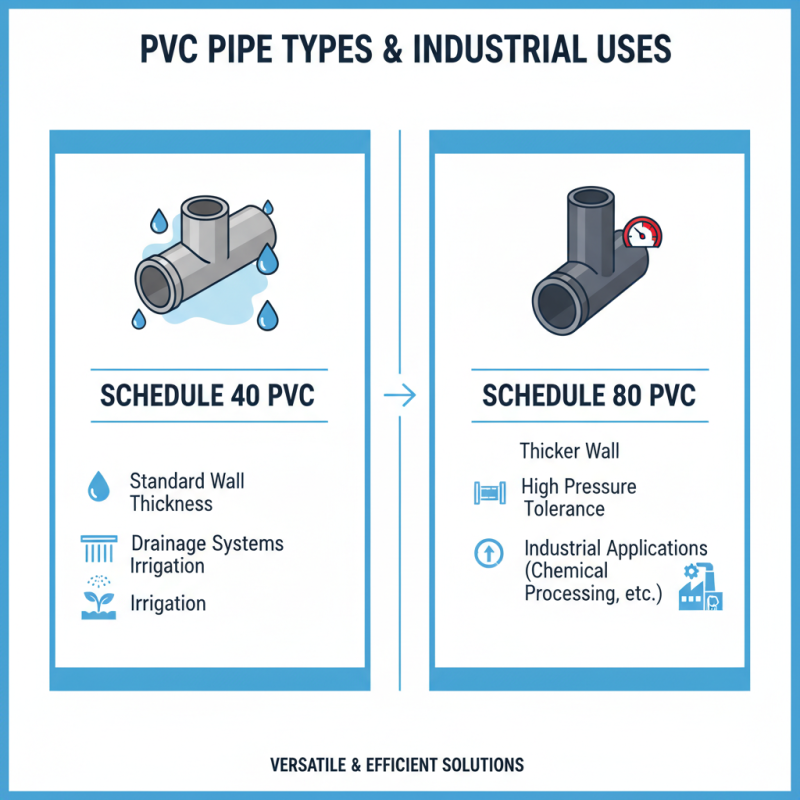
Different types of PVC pipes serve unique purposes. For instance, Schedule 40 and Schedule 80 pipes have distinct pressure ratings, affecting their performance in various environments. While Schedule 40 pipes are common for residential systems, Schedule 80 pipes are ideal for industrial applications. Understanding these differences can prevent costly mistakes. A comprehensive knowledge of PVC pipe types empowers buyers to make informed decisions, actively shaping the future of their projects.
Buyers must also consider the environmental impacts of PVC products. The manufacturing process can be resource-intensive, raising sustainability concerns. This complexity requires professional insight to navigate the possibilities and challenges of using PVC pipes effectively. The right pipe choice can significantly influence project outcomes, affecting not only budgets but also performance over the long term.
Top 10 PVC Pipe Types Every Global Buyer Should Know
PVC pipes are essential in various industries. Their versatility and durability make them a popular choice among global buyers. Understanding different types can help you make informed decisions.
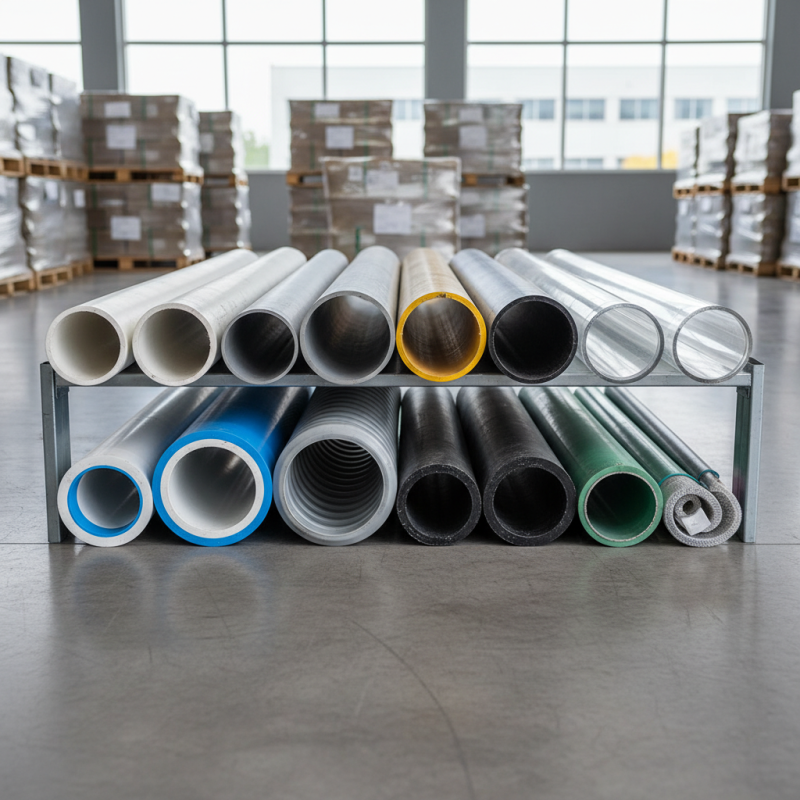
There are several types of PVC pipes. The first category is standard PVC pipes. They're perfect for plumbing and drainage. Another type is schedule 40 PVC, known for its strength and resistance to pressure. In contrast, schedule 80 PVC has thicker walls, suitable for high-pressure applications. Specialty pipes, like foam core PVC, are lightweight and easy to handle. Each type has unique features worth exploring.
Global buyers should also consider specific characteristics. Some pipes resist UV light, ensuring longevity outdoors. Others are ideal for chemical transport. However, not all PVC pipes suit every project. Choosing the right type requires careful assessment and understanding of your specific needs. Recognizing these details can lead to better outcomes and minimize costly mistakes.
Top 10 PVC Pipe Types Every Global Buyer Should Know
| Pipe Type |
Applications |
Diameter Range (inches) |
Pressure Rating (PSI) |
| Schedule 40 PVC Pipe |
Drainage, irrigation |
0.5 to 24 |
260 |
| Schedule 80 PVC Pipe |
Industrial, chemical |
0.5 to 12 |
480 |
| PVC Conduit |
Electrical wiring |
0.5 to 4 |
300 |
| PVC Schedule 120 |
High-pressure applications |
1 to 12 |
850 |
| PVC Pressure Pipe |
Water supply |
0.5 to 12 |
150 |
| Dual Containment PVC Pipe |
Hazardous material transport |
0.5 to 8 |
200 |
| CPVC Pipe |
Hot water, chemicals |
0.5 to 6 |
400 |
| PVC Sewer Pipe |
Sewage and wastewater |
4 to 24 |
10 - 30 |
| PVC Irrigation Pipe |
Agricultural irrigation |
1 to 10 |
140 |
| PVC Foam Core Pipe |
Lightweight applications |
0.5 to 4 |
100 |
Overview of PVC Pipe Types and Their Applications in Industry
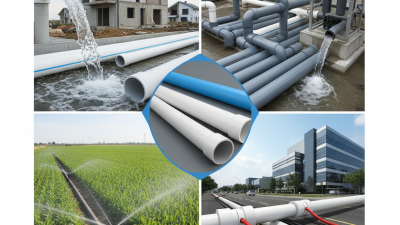
PVC pipes are crucial in various industries due to their versatility and efficiency. There are several types of PVC pipes, each with specific applications that meet diverse needs. For instance, schedule 40 PVC pipes are widely used for drainage and irrigation systems, while schedule 80 pipes offer enhanced pressure tolerance, making them ideal for industrial applications.
Research indicates that the global PVC pipes market is expected to reach $63.5 billion by 2025. This growth is fueled by the increasing demand from construction, agriculture, and plumbing sectors. Additionally, the light weight and corrosion resistance of PVC pipes contribute to their widespread adoption. Despite their benefits, improper installation remains a concern. It can lead to leaks and system failures, highlighting the need for skilled labor in the industry.
Another promising type is CPVC (Chlorinated Polyvinyl Chloride), which withstands higher temperatures and is suitable for hot water systems. However, awareness gaps exist among buyers regarding the distinctions between regular PVC and CPVC. This knowledge gap could lead to suboptimal purchasing decisions, impacting project performance. Understanding these differences is vital for ensuring the right material is used for specific applications.
Comparative Analysis of Rigid vs. Flexible PVC Pipes
When comparing rigid and flexible PVC pipes, the choice largely depends on the application. Rigid PVC pipes, known for their strength, are often used in construction and underground utilities. According to the Plastic Pipe and Fittings Association (PPFA), rigid pipes account for about 70% of the PVC pipe market. Their durability provides excellent resistance to impact and environmental factors. These pipes can handle high pressure, making them ideal for water distribution systems.
On the other hand, flexible PVC pipes offer a different set of advantages. They are lightweight and easy to handle, making installation more efficient. Flexible pipes are commonly used in landscaping and irrigation applications. A report from the Vinyl Institute suggests that the flexible segment is growing rapidly, capturing approximately 30% of the PVC market. However, their lower pressure tolerance may raise concerns in high-stress environments.
While both types serve essential functions, the right choice requires careful consideration of specific needs. Factors such as installation location, pressure demands, and cost must be evaluated. Each type has its pros and cons, reminding buyers to weigh options before making a decision.
Key Properties and Performance Metrics of PVC Pipes
When selecting PVC pipes, understanding their key properties is essential. PVC pipes stand out for their durability and resistance to many chemicals. According to a report by the Plastics Pipe Institute, these pipes can last over 50 years when properly maintained. They are lightweight, which simplifies handling and installation.
The performance metrics of PVC pipes include pressure ratings and temperature resistance. Many standard PVC pipes can withstand pressures up to 180 psi at room temperature. However, when the temperature rises, the pressure rating decreases. This thermal vulnerability is an important consideration for buyers. Additionally, knowing the pipe diameter and wall thickness can help in ensuring optimal flow rates.
Tips: Always check the compatibility of PVC pipes with your intended fluids. Some chemicals can deteriorate the material. Conducting a thorough analysis of project requirements could save future costs. It's vital to consider not just current use but potential future conditions. Remember, each installation context may offer different challenges for PVC performance. Regular inspections can prevent unexpected failures.
Industry Standards and Certifications for PVC Pipe Quality
When selecting PVC pipes, industry standards and certifications play a crucial role. These standards ensure the quality and safety of the products. For instance, the International Organization for Standardization (ISO) sets guidelines that manufacturers must follow. Adhering to these standards assures buyers of the pipe's durability and performance.
In addition to ISO, various certifications may indicate compliance with specific safety regulations. For example, the American Society for Testing and Materials (ASTM) provides protocols for testing PVC pipe quality. Pipes meeting ASTM standards typically demonstrate reliable pressure resistance and longevity. However, not all manufacturers achieve these certifications, raising questions about product reliability.
Potential buyers should carefully check certifications before making purchases. Some manufacturers might skip essential testing, compromising the pipe's quality. This oversight reflects a broader issue in the industry where cost-cutting impacts safety. Buyers must be diligent, verifying documentation and understanding the implications of substandard materials. Quality assurance ultimately protects not just their investment but also the integrity of the entire project.
Conclusion
The article "Top 10 PVC Pipe Types Every Global Buyer Should Know" delves into the various types of PVC pipes and their diverse applications across different industries. It provides an overview of rigid and flexible PVC pipes, highlighting their comparative advantages and disadvantages. The key properties and performance metrics of PVC pipes are examined, ensuring buyers understand the quality parameters essential for their specific needs.
Furthermore, the article addresses industry standards and certifications that guarantee PVC pipe quality, along with current market trends and the growing demand for these versatile products globally. By understanding these factors, global buyers can make informed decisions when selecting PVC pipes for their projects, ensuring optimal performance and compliance with industry requirements.