What is a Screw Unloader and How Does It Work?
The Screw Unloader is a pivotal innovation in industrial material handling. According to a recent report by the International Association of Conveyors and Systems, the use of screw unloaders has increased efficiency in bulk material processing by nearly 30%. Experts in the field, like Dr. Emily Carter, emphasize that “the design and efficiency of screw unloaders significantly impact workflow and productivity.”
This equipment operates by utilizing a helical screw to transport materials, making it ideal for various applications, including the food, pharmaceutical, and chemical industries. Despite its advantages, the technology isn't without flaws. Some users report challenges with maintenance and the need for consistent calibration to ensure optimal performance. This highlights the importance of routinely assessing operational efficiency.
Understanding Screw Unloaders and their mechanisms can help industries make informed decisions. As efficiency and reliability remain paramount, companies must consider both the capabilities and limitations of this technology. In an evolving market, the challenge is to refine these systems while addressing potential obstacles in operation.
What is a Screw Unloader?
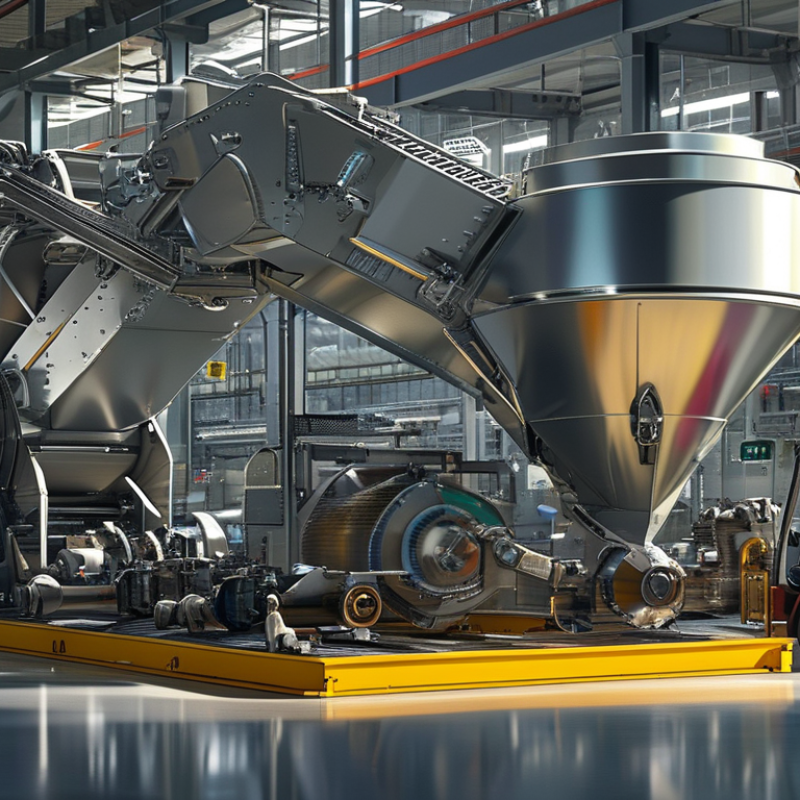
A screw unloader is a mechanical device designed for efficient unloading of bulk materials. In industries like construction and manufacturing, these unloaders play a crucial role. The device uses a rotating screw mechanism to transport materials from one location to another, typically from a transportation vessel to storage or processing areas.
The screw unloader's design allows it to handle various materials, such as grains, powders, or pellets. As the screw turns, it moves the material upward or horizontally, depending on its installation. This mechanism ensures that materials are unloaded consistently and quickly. However, the efficiency of the unloader can vary based on the material's properties, like viscosity and flowability. Addressing these challenges may require adjustments in the equipment or operational parameters.
While screw unloaders are effective, they are not without limitations. Issues like blockages or inconsistent supply can hinder performance. Regular maintenance is essential to ensure optimal functionality. Operators must also be trained to recognize signs of wear and tear. These aspects are often overlooked but are critical for reliable operation. Experience and ongoing learning can significantly improve the effectiveness of screw unloaders in real-world applications.
The Components of a Screw Unloader System
A screw unloader is a crucial component in bulk material handling systems. It effectively transfers materials like grain, minerals, and powders. Understanding the system's components is key to recognizing its efficiency and application.
The main parts include the screw conveyor, motor, and hopper. The screw conveyor consists of a helical screw that rotates within a tube. This rotating motion helps move materials from the hopper to the discharge location. The motor provides the necessary torque to drive the screw. According to a report by the Bulk Solids Innovation Group, efficient screw unloaders can increase throughput by up to 30%. This statistic underscores the importance of design and engineering in the system's operation.
The hopper serves as the initial storage and feed point for materials. Proper hopper design affects flow characteristics significantly. An improperly designed hopper can lead to blockages or uneven flow. This often results in downtime, impacting productivity. Continuous improvements in screw unloader technology are essential to address these challenges. With evolving designs, users can achieve better reliability and efficiency in their operations.
How Screw Unloaders Function in Material Handling
Screw unloaders are essential in material handling. They efficiently transport bulk materials from one location to another. Their design includes a rotating screw mechanism inside a casing that moves materials downward or laterally. This simple yet effective design allows for precise control over the flow of materials.
The primary function of screw unloaders lies in their ability to handle various materials. From grains to plastic pellets, these systems can adapt. The rotation of the screw generates a steady flow, allowing for consistent unloading rates. Proper calibration is crucial. If not set correctly, the system may either overload or underperform. Operators must monitor material types and their characteristics closely.
In real-world applications, various factors can impact performance. The type of material, humidity levels, and even temperature can affect flow rates. Regular maintenance is necessary to keep screw unloaders running smoothly. Blockages can occur, leading to operational delays. Understanding these nuances ensures more reliable material handling, but it requires attentive oversight and experience.
What is a Screw Unloader and How Does It Work? - How Screw Unloaders Function in Material Handling
| Feature | Description | Application | Advantages |
| Mechanism | Utilizes a helical screw to transport bulk materials | Commonly used in bulk material handling systems | Efficient and continuous flow of materials |
| Types | Horizontal, vertical, and inclined screw unloaders | Used in various industries like food, pharmaceuticals, and plastics | Versatile in handling different materials |
| Capacity | Can handle various flow rates based on design | Ideal for large-scale operations | Scalable to meet specific production needs |
| Materials Handled | Powders, pellets, and granules | Widely applicable across multiple sectors | Reduces wastage and improves efficiency |
| Maintenance | Requires regular inspections and lubrication | Essential for prolonging equipment life | Minimizes operational downtime |
Applications of Screw Unloaders in Various Industries
Screw unloaders are essential in various industries, including agriculture, food processing, and waste management. Their design allows for the efficient transfer of bulk materials. According to a recent industry report from the International Bulk Material Handling Conference, screw unloaders can enhance productivity by up to 25% compared to traditional systems. This improvement directly impacts production rates.
In agriculture, screw unloaders are often used to transfer grains and fertilizers. The precision provided by these machines reduces product waste and contamination risks. A study revealed that using screw unloaders in grain handling can reduce spoilage by nearly 15%. This not only saves costs but also helps maintain quality.
In the food processing sector, screw unloaders play a critical role in ingredient transportation. They ensure consistent flow rates and minimize downtime. However, challenges remain. For instance, maintaining hygiene can be complex. Regular cleaning and maintenance are required to prevent contamination. Reports indicate that 30% of food processing downtime is attributed to equipment failure, underscoring the need for reliable screw unloader systems.
Advantages of Using Screw Unloaders Over Other Methods
Screw unloaders offer several advantages over traditional unloading methods. Their design allows for continuous, efficient material flow, making them ideal for bulk solids. Unlike other systems, screw unloaders can handle a variety of materials, including powders and granules. This versatility means they can be used across different industries, from food processing to pharmaceuticals.
One key benefit is reduced energy consumption. Screw unloaders typically require less power than pneumatic or belt systems. This efficiency not only lowers operational costs but also reduces environmental impact. Moreover, they produce minimal dust, which improves workplace safety and air quality. However, it’s essential to maintain these systems regularly to prevent wear and ensure optimal performance.
Additionally, screw unloaders are easier to integrate into existing setups. Their compact design means they can fit into tight spaces without significant modifications. While they offer many benefits, potential drawbacks include a slower unloading rate compared to pneumatic systems. It's crucial to assess specific needs to determine if screw unloaders are the right choice, balancing speed and efficiency with material type and handling requirements.

