Why Choose HDPE Pipe for Your Next Project?
In recent years, the demand for durable and reliable piping systems has increased. Choosing the right material is essential for the success of any project. Many contractors and engineers are turning to HDPE pipe. This material stands out due to its impressive qualities and benefits.
HDPE pipe offers high resistance to corrosion and environmental stress. Its lightweight design makes it easy to handle and install. This reduces labor costs and speeds up project timelines. Furthermore, HDPE pipe is known for its flexibility, allowing it to adapt to various installation environments. However, some may question its long-term durability compared to traditional materials like PVC or metal.
While HDPE pipe shows great potential, it's important to recognize potential challenges as well. Installation errors can lead to issues down the line. Additionally, not all applications may suit HDPE perfectly. Being aware of these factors allows for better decision-making. Ultimately, the benefits often outweigh the cons when considering HDPE pipe for your next project.
Benefits of Using HDPE Pipe in Construction Projects
HDPE pipes have gained popularity in construction projects due to their numerous benefits. One significant advantage is their durability. According to a report by the Plastics Pipe Institute, HDPE pipes have a lifespan of over 100 years when properly installed. This longevity can lead to lower replacement costs and less frequent maintenance, ultimately benefiting project budgets.
Another key aspect is the resistance to corrosion. Unlike traditional materials, HDPE pipes do not rust or corrode, which is essential for applications in challenging environments. A study published in the Journal of Pipeline Engineering indicates that using HDPE can reduce leakage rates significantly. This feature not only helps conserve resources but also enhances environmental sustainability in construction projects.
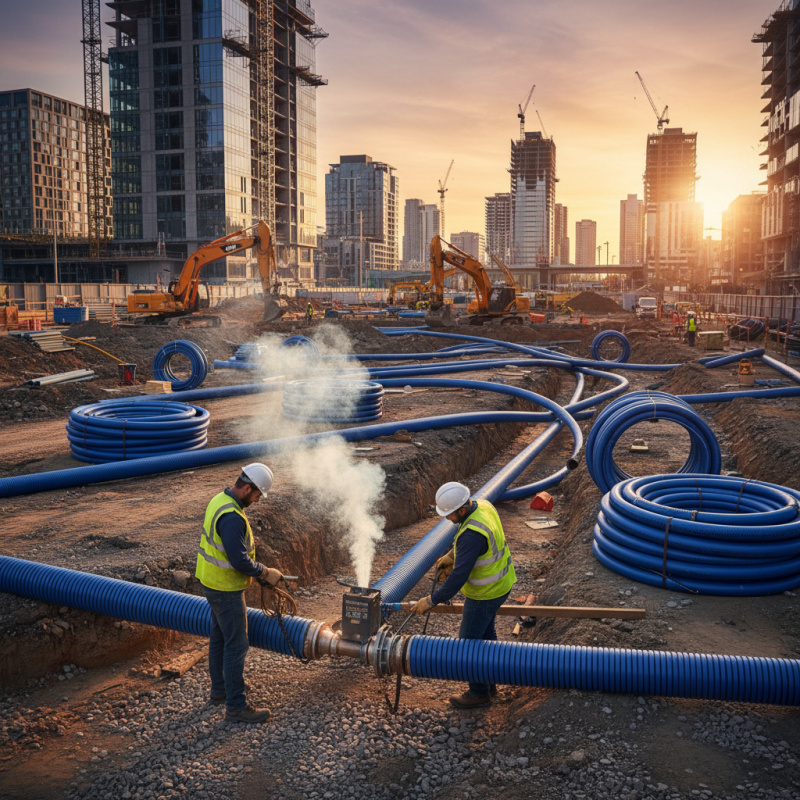
However, the installation process can be complex. Proper welding techniques and equipment are necessary for ensuring connections are secure. If inexperienced teams handle the installation, it can lead to future issues. Ensuring trained professionals are on-site is vital for optimizing the benefits of HDPE pipes. The initial learning curve may pose a challenge, but the long-term gains are undeniable.
Durability and Longevity: The Key Advantages of HDPE Pipe
HDPE pipe offers unique benefits for construction projects. Its durability is a major reason many choose it. Unlike traditional materials, HDPE resists cracking and corrosion. This long lifespan reduces the need for frequent replacements. Consequently, projects require less maintenance.
Tips: Always consider the environment. HDPE can withstand harsh conditions while minimizing environmental impact. This makes it a smarter choice for sustainable projects.
Furthermore, HDPE pipes are lightweight and easy to install. This saves time and labor costs during installation. However, ensure proper handling to avoid damage. A small mistake can lead to regrets later.
Tips: Analyze your project's specific needs. Review factors like soil conditions and pressure demands. A thorough assessment leads to better results.
Environmental Impact: Why HDPE Pipe is a Sustainable Choice
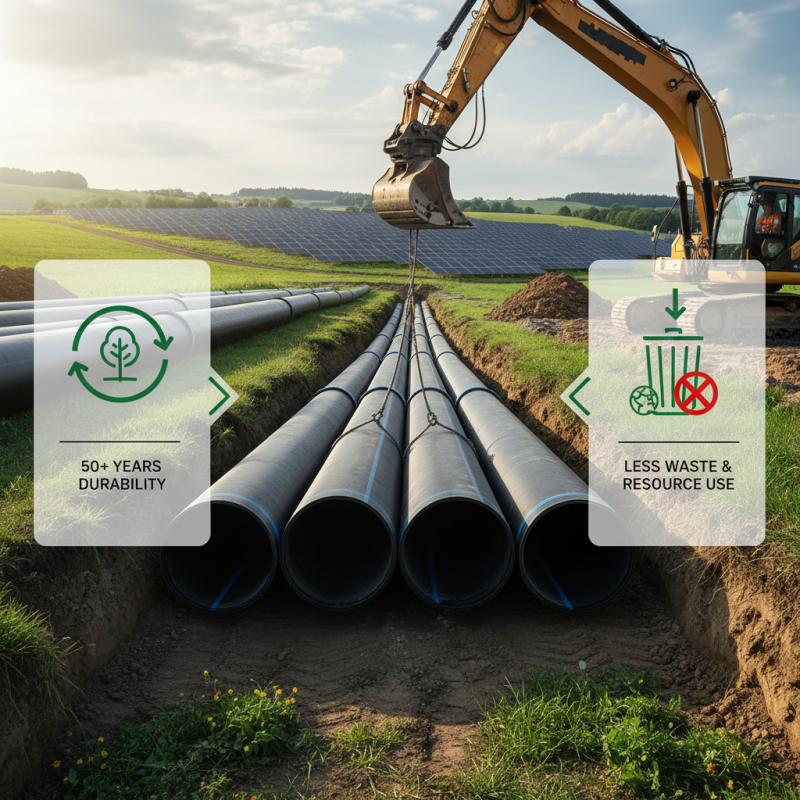
Choosing HDPE pipe for your next project comes with significant environmental benefits. This material is highly durable and resistant to corrosion. It can last over 50 years, reducing the need for frequent replacements. Fewer replacements mean less waste in landfills and lower resource consumption. HDPE can be recycled too, which supports sustainable practices. However, recycling infrastructure may still be limited in some regions.
Unlike traditional materials, HDPE pipe requires less energy to produce. This lowers the carbon footprint during manufacturing. Furthermore, the lightweight nature of HDPE reduces transportation emissions. However, the benefits could be overshadowed by potential transportation issues in remote areas. Local sourcing should be considered to minimize impact.
Using HDPE also minimizes leakage. This reduces water loss in transportation systems. However, ensuring proper installation is key to maximizing these benefits. Poor installation practices can lead to failures. These factors highlight the need for skilled labor and proper training. Overall, HDPE pipe offers a promising choice, but thoughtful implementation is necessary.
Cost-Effectiveness: Analyzing the Value of HDPE Pipe Over Time
When considering materials for your next project, the long-term cost-effectiveness of HDPE pipe stands out. This pipe offers extensive durability, which translates to fewer replacements over time. HDPE is resistant to corrosion and various chemicals. It can handle adverse weather conditions. These features reduce maintenance costs significantly.
The initial investment for HDPE may seem higher than alternatives. However, when assessing the total lifecycle cost, its strength and durability ensure savings. There's less downtime for repairs. This is crucial for any project. Moreover, its lightweight design can lead to lower transportation costs. You may even find installation costs are reduced due to quicker handling.
Despite these advantages, some might overlook HDPE’s flexibility. It allows for diverse applications, but it can also pose challenges. For example, improper installation can lead to issues later. It’s vital to invest time in planning. Choosing materials is never straightforward. But considering HDPE is worth it for many projects.
Why Choose HDPE Pipe for Your Next Project? - Cost-Effectiveness: Analyzing the Value of HDPE Pipe Over Time
| Criteria |
Traditional Pipe Materials |
HDPE Pipe |
Cost Comparison (Over 50 Years) |
| Initial Material Cost |
$3.00 per foot |
$2.00 per foot |
Traditional: $150,000
HDPE: $100,000 |
| Installation Cost |
$1.50 per foot |
$1.00 per foot |
Traditional: $75,000
HDPE: $50,000 |
| Maintenance Costs (Yearly) |
$1,500 |
$500 |
Traditional: $75,000
HDPE: $25,000 |
| Lifespan (Years) |
40 years |
100 years |
Traditional: 1
HDPE: 3 |
| Total Cost Over 50 Years |
$3,000,000 |
$1,250,000 |
N/A |
Versatility of HDPE Pipe: Applications in Various Industries
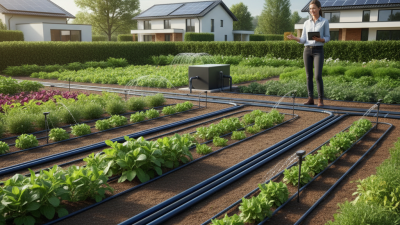
When considering materials for various projects, HDPE pipe stands out due to its versatility. It’s widely used in construction, agriculture, and water transport. HDPE pipes are lightweight yet strong. This combination allows for easy installation. For irrigation, these pipes can efficiently deliver water to crops. They reduce leakage and waste, making them eco-friendly.
In the construction industry, HDPE pipes are common for drainage and sewage systems. They resist corrosion and chemicals, which enhances their lifespan. However, installation must be done correctly. Misalignment can cause issues over time. Knowledge of proper techniques is crucial.
Moreover, HDPE pipes are used in utilities. They support gas and water supply networks. Their flexibility allows them to expand and contract, adapting to temperature changes. In some cases, proper jointing is challenging. This aspect should not be overlooked. Investing time in training can reduce complications during installation. It’s essential to weigh the benefits against potential hurdles.
Why Choose HDPE Pipe for Your Next Project?
HDPE (High-Density Polyethylene) pipes are widely used across various industries due to their durability, flexibility, and resistance to corrosion. The following chart illustrates the applications of HDPE pipes in different sectors, highlighting their versatility.