2026 Top Trends in HDPE Pipe Fittings You Need to Know?
In the evolving landscape of construction and plumbing, the significance of HDPE pipe fittings continues to rise. These fittings are crucial for efficient water supply and drainage systems. As we approach 2026, several trends are emerging that will shape the industry.
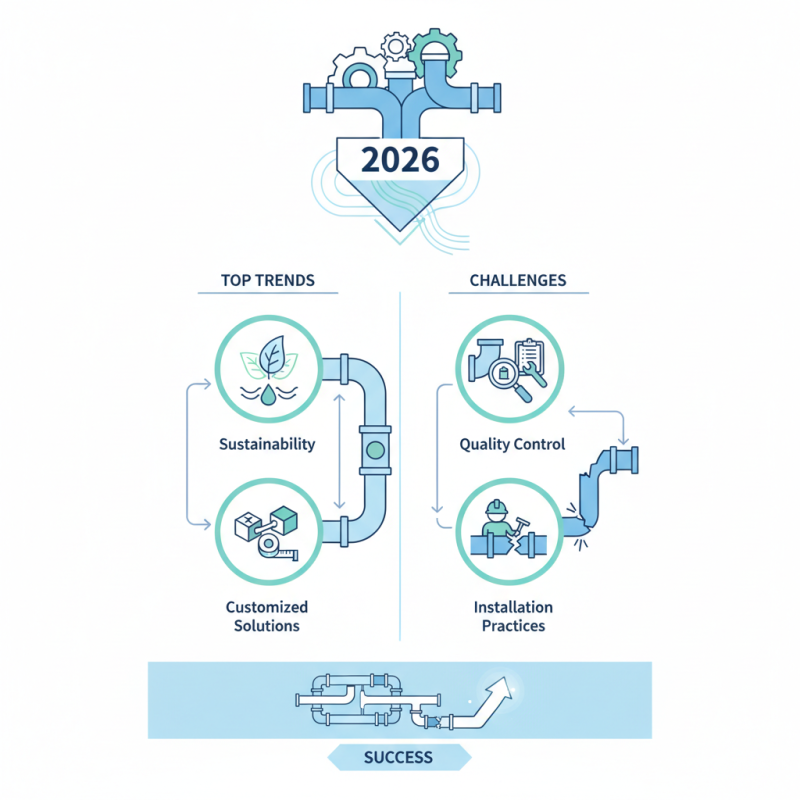
One major trend is the focus on sustainability. More companies are turning to eco-friendly materials. HDPE pipe fittings have a long lifespan, which reduces waste. Another trend is the increasing demand for customized solutions. Contractors often seek fittings that meet specific project needs. The flexibility of HDPE allows for unique designs and sizes.
While these trends offer exciting opportunities, challenges remain. The industry must address concerns about quality control and installation practices. Missteps in these areas can lead to significant problems. As we look ahead, understanding these trends will be vital for success in using HDPE pipe fittings effectively.
Emerging Materials and Technologies for HDPE Pipe Fittings in 2026
As we look toward 2026, the landscape of HDPE pipe fittings is evolving. Emerging materials promise better durability and resistance to harsh environments. Innovations, such as enhanced additives, are making these fittings more robust than ever. This shift is crucial for industries that demand high-performance solutions. The use of recycled materials is a growing trend, showcasing sustainability's place in modern design. However, reliance on recycled content may raise questions about performance consistency.
New manufacturing technologies are also shaping the future. Advanced molding techniques increase precision in production. 3D printing is carving out unique designs that were previously impossible. These technologies allow for customization, catering to specific application needs. However, there are concerns about scalability and costs. Not all designs may be practical for large-scale production, which leaves room for improvement.
Additionally, the integration of smart technologies offers intriguing possibilities. Sensors embedded in fittings can provide real-time data on performance and stress levels. This advancement could significantly enhance monitoring and maintenance strategies. Still, the complexity of such systems may complicate installation and repairs. Balancing innovation and practical application remains a challenge for the industry.
Sustainability Trends Impacting HDPE Pipe Fittings Manufacturing
Sustainability is reshaping the HDPE pipe fittings industry. Manufacturers are increasingly focusing on eco-friendly practices. Reports indicate that around 60% of companies in this sector are adopting sustainable materials by 2026. This shift is driven by both regulatory pressures and consumer demand for greener products.
Innovative recycling processes are becoming more common. For instance, post-consumer HDPE can be repurposed into new fittings. This not only reduces waste but also lowers production costs. However, challenges still exist. Many companies struggle with the high initial investments required for these technologies. Yet, neglecting sustainability could leave them behind.
Tips: Consider collaborating with recycling facilities to source materials. Educating staff on sustainability can help foster a culture of eco-friendliness. Tracking energy consumption during production is crucial. It highlights areas for improvement and can drive further innovations.
While the path to sustainability is clear, the journey remains complex. Balancing cost and eco-consciousness often requires difficult choices. Investing in sustainable solutions today may yield long-term benefits for both the environment and the bottom line.
Market Growth Drivers and Challenges for HDPE Pipe Fittings
The market for HDPE pipe fittings is expanding rapidly. Several factors drive this growth. The increasing demand for water and wastewater management systems significantly contributes. Additionally, industries such as construction and agriculture require durable and efficient piping solutions.
However, the industry also faces challenges. Environmental concerns regarding plastic products are rising. Companies need to consider eco-friendly alternatives or recycling options. Also, fluctuating raw material prices can impact production costs. The reliance on imported materials creates uncertainties.
As demand rises, innovation is equally essential. Manufacturers are developing more efficient fitting designs. New technologies can enhance durability and reduce installation time. However, the balance between innovation and cost-effectiveness remains a complex issue.
Innovative Designs and Applications of HDPE Pipe Fittings
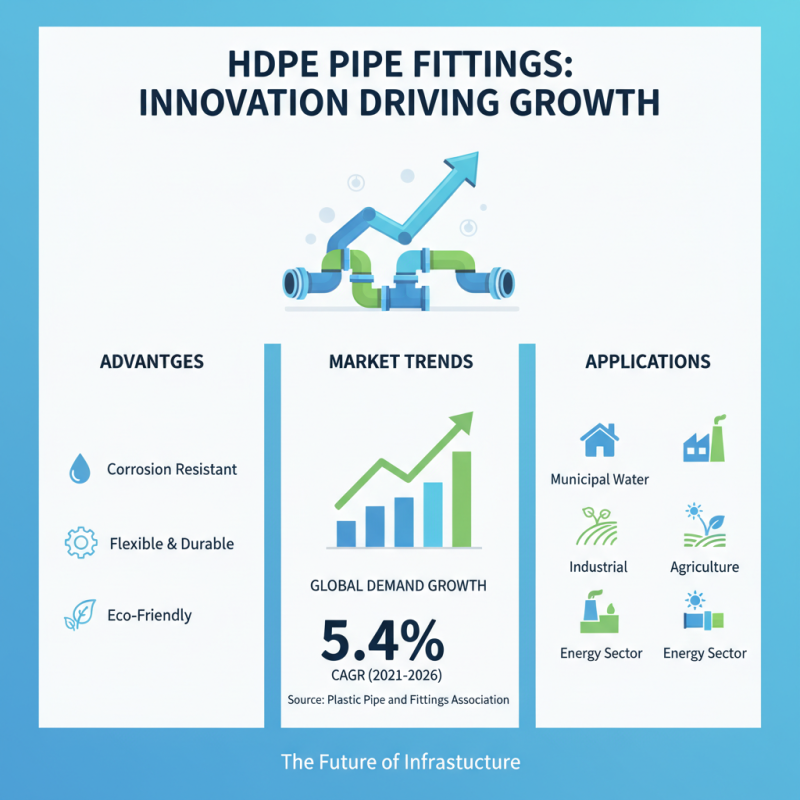
HDPE pipe fittings are evolving rapidly, driven by innovation. These fittings, made from high-density polyethylene, offer significant advantages over traditional materials. A recent report by the Plastic Pipe and Fittings Association noted that the demand for HDPE fittings is projected to grow at a CAGR of 5.4% from 2021 to 2026. This trend highlights their increasing acceptance in various applications.
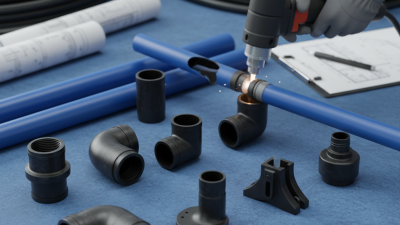
One notable innovation is the introduction of electrofusion and butt fusion techniques. These methods enhance joint integrity, reducing the risk of leaks. Furthermore, the ability to create custom designs for specific projects is gaining traction. For instance, complex geometries can now be manufactured to optimize flow rates and minimize energy loss.
Interestingly, while HDPE fittings offer many benefits, challenges remain. The recycling rate of HDPE materials is still low. Many contractors hesitate to implement sustainable practices. There is also a learning curve associated with new installation techniques. As the industry evolves, addressing these shortcomings will be vital for long-term growth. Increased training and awareness can help bridge these gaps in innovation.
Regulatory Changes and Standards Affecting HDPE Pipe Fittings Industry
The landscape of HDPE pipe fittings is shifting due to regulatory changes. These updates are being driven by environmental concerns and safety standards. Many industries rely on these fittings, making compliance crucial. New regulations aim to reduce environmental impact and promote sustainability.
Manufacturers must adapt quickly. Standards are evolving to address durability and safety. Failure to comply may lead to penalties or loss of market access. Some companies struggle with this transition. They may find it challenging to meet both performance and regulatory demands.
Educating the workforce is essential. Training programs focused on the latest standards could help ease this shift. Companies need to invest time in understanding these regulations. This ensures they remain competitive in a tightly regulated environment. The future favors those who embrace change rather than resist it.