2026 Top Flower Wall Trends for Global Buyers to Explore
As we move into 2026, the floral landscape is evolving dramatically. Flower Walls are gaining popularity among global buyers, revolutionizing event decor and personal spaces. Renowned floral designer, Emily Johnson, once stated, “A Flower Wall transforms any environment into a blooming paradise.” This sentiment captures the essence of the latest trends in the Flower Wall industry.
Today, Flower Walls serve as more than just backdrops; they embody creativity and personalization. Buyers seek unique designs that resonate with their brand or event theme. The market offers options from vibrant tropical arrangements to soft pastel palettes. Each choice reflects individual style and intention. However, the rapid trend changes can leave buyers feeling lost. Staying updated with the latest designs is essential but can be overwhelming.
As experts project future designs, many emphasize sustainability. Eco-friendly options are becoming a priority for buyers. The introduction of biodegradable materials in Flower Wall construction is a promising trend. Yet, achieving a balance between aesthetics and environmental responsibility remains a challenge. The Flower Wall industry stands at a crossroads, encouraging both innovation and reflection.
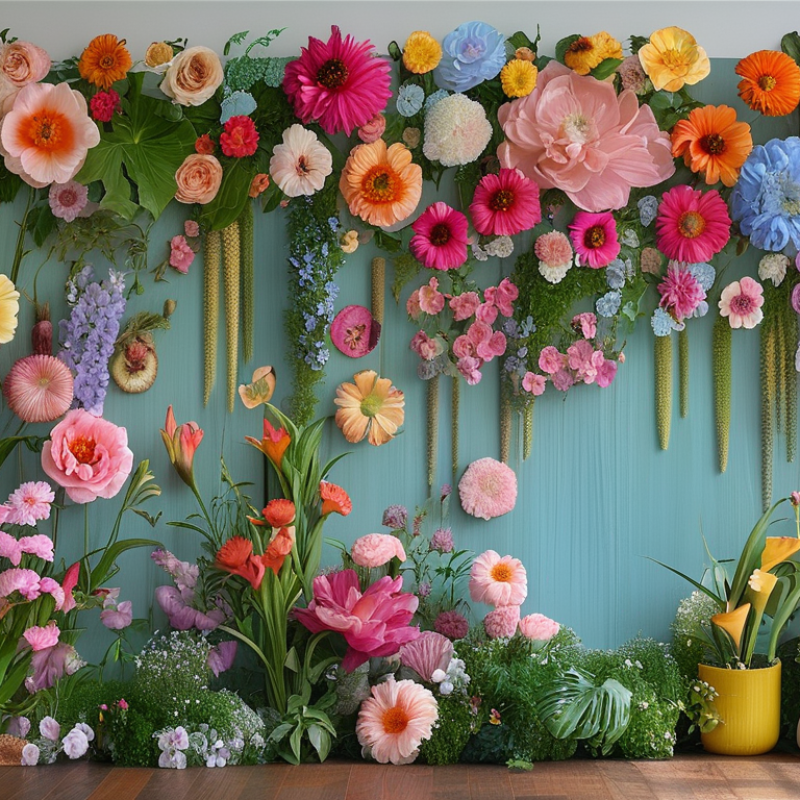
Overview of Flower Wall Trends for 2026
As we look toward 2026, flower wall trends are poised to evolve significantly. A recent report from the Floral Industry Association projects a 15% increase in demand for floral installations in events and interior design. This reflects a desire for personalization and unique decor. Flower walls are not just decorative; they serve as immersive backdrops that enhance experiences.
Sustainability remains a pivotal theme. Many buyers are seeking eco-friendly options, with 42% of consumers preferring products made from sustainable materials. This shift encourages the use of naturally preserved flowers or even artificial blooms crafted from recycled elements. However, maintaining visual impact while adhering to sustainability can be challenging, and buyers should navigate this carefully.
Color palettes will see more bold and contrasting combinations. Expect to see intense hues paired with softer tones, creating striking visuals. An emerging trend is the use of mixed textures. Buyers are urged to experiment with various species to add depth. The future is vibrant, but finding the right blend for specific events remains a crucial consideration. As the landscape shifts, adaptation will be key.
2026 Top Flower Wall Trends for Global Buyers to Explore
| Trend | Description | Key Features | Target Market |
| Sustainable Flower Walls | Focus on eco-friendly materials and practices in flower wall design. | Biodegradable elements, local sourcing, minimal waste. | Eco-conscious consumers, event planners. |
| Minimalist Designs | Simple yet elegant flower arrangements that emphasize space. | Monochromatic color schemes, open spaces, natural textures. | Modern homeowners, upscale events. |
| Bold Color Palettes | Vibrant and striking colors for visual impact. | Bright hues, contrasting combinations, playful designs. | Festivals, weddings, and celebrations. |
| Textured Wall Installations | Incorporating various materials to add depth and interest. | Inclusion of fabrics, wood, and metals with flowers. | Interior designers, event coordinators. |
| Interactive Flower Walls | Encouraging user participation and engagement through design. | Photo op stations, touch-and-feel elements, dynamic displays. | Social media influencers, marketing events. |
Key Global Markets Adopting Flower Wall Trends
The flower wall trend is gaining traction across various global markets. Events and special occasions drive the demand for visually appealing installations. According to industry reports, the global flower market is projected to reach USD 80 billion by 2026. Flower walls are at the forefront of this growth, especially in weddings and corporate events.
In North America, flower walls are popular for enhancing event atmospheres. They provide stunning backdrops for photos, creating memorable experiences. In Europe, florists are adopting sustainable practices, using locally sourced flowers. This initiative not only supports local economies but also resonates with eco-conscious consumers.
Tips: Always consider the season when choosing flowers for a wall. Selecting seasonal blooms can make a significant difference in cost and freshness. Explore floral design trends by following industry leaders online. This can provide inspiration for unique designs.
Despite the growing popularity, some challenges exist. Sourcing high-quality, sustainable flowers can be difficult in some regions. Additionally, maintaining the freshness of flower walls throughout an event requires diligent planning. Addressing these issues early can lead to a more successful floral display.
Innovative Designs: Materials and Techniques in Flower Walls
Flower walls have gained popularity due to their aesthetic appeal and versatility. For 2026, expect innovative designs and materials that enhance their beauty. Natural elements like wood and stone are making a comeback. Mixing these with lush greenery creates stunning contrasts.
Consider using sustainable materials. They not only reduce environmental impact but also add character. Techniques like layering and texturing elevate flower wall designs. Think outside the box with unique shapes and unexpected color combinations. Aim for harmony but don’t be afraid of bold expressions.
Tips: Always experiment with different textures. Layering fabrics and blooms can lead to unexpected beauty. Keep an eye on seasonal flowers. They can tell a story, making your wall more engaging. Reflect on what inspires you. Embrace imperfections; they can evoke emotion and connection.
Sustainability in Flower Wall Trends for Eco-conscious Consumers
Sustainability is at the forefront of flower wall trends for 2026. Eco-conscious consumers seek more than just beauty; they desire eco-friendly options. This shift reflects a growing awareness of environmental issues. Many designers now focus on using locally sourced flowers. This practice reduces carbon footprints while supporting local economies.
Natural textiles play a crucial role in sustainable designs. Recycled materials are becoming popular in floral installations. These alternatives not only minimize waste but also create unique textures. Additionally, some creators experiment with dried flowers. Dried arrangements can last longer, reducing the need for constant replacements.
Many consumers still face challenges when choosing sustainable options. Not all suppliers prioritize eco-friendly practices. A lack of transparency can make responsible choices difficult. Reflecting on this, buyers should seek brands that genuinely commit to sustainability. This need for careful consideration reminds us that every choice impacts the environment.
Event Applications: Enhancing Experiences with Flower Walls
Flower walls are transforming events into immersive experiences. They not only serve as stunning backdrops but also enhance the overall aesthetic. Incorporating different flowers and textures adds depth. This creates memorable moments, making it popular across various gatherings.
For weddings, flower walls can define spaces. Couples often choose colors that reflect their theme. The sweet scent of fresh blooms enriches the atmosphere. However, it's crucial to consider maintenance. Flowers can wilt quickly, which might disrupt the visual appeal. Planning ahead for care is essential.
Corporate events can also benefit from flower walls. They soften sterile environments and foster connections. Placing them near lounges encourages networking. Yet, choosing seasonal flowers is a challenge. Some blooms may not be available year-round. Exploring local options can help create diverse arrangements. These considerations are vital for a successful event.

